
From the outside, nobody would have guessed there was a problem.
He was successful.
He showed up early.
His projects were completed on time.
His performance reviews were positive.
Friends described him as dependable.
Family members assumed things were going well.
In many ways, they were.
But there was another side of the story that nobody saw.
The side that appeared after work.
The side that emerged late at night.
The side filled with exhaustion, anxiety, and a growing dependence on alcohol that seemed impossible to talk about.
At Bold Steps RI, we regularly meet people living this exact reality. They aren’t failing at life. They are often succeeding in ways that make it even harder to ask for help.
Many eventually begin exploring options like our intensive outpatient program after realizing that staying functional and feeling healthy are not always the same thing.
One client’s journey illustrates that difference better than almost any explanation could.
The Problem Wasn’t Obvious Until It Was Everywhere
When he first contacted us, he wasn’t dealing with a dramatic crisis.
There had been no arrest.
No intervention.
No public collapse.
In fact, most people would have said his life looked impressive.
Yet privately, things felt very different.
Every morning started with promises.
Tonight would be different.
Tonight he would only have one drink.
Tonight he would skip alcohol altogether.
Then evening arrived.
Stress showed up.
Fatigue appeared.
The mental negotiations began.
One drink became three.
Three became five.
Tomorrow would be different.
The cycle repeated.
The challenge wasn’t that he couldn’t function.
The challenge was how much energy functioning required.
By the time he reached out, he wasn’t just tired.
He was exhausted from carrying two versions of himself.
The person everyone else saw.
And the person constantly struggling behind closed doors.
Why He Waited So Long
When we asked why he delayed seeking help, his answer sounded familiar.
“I didn’t think I was bad enough.”
That belief keeps countless people stuck.
Many assume treatment is only for people whose lives are visibly falling apart.
They imagine losing jobs.
Losing relationships.
Losing homes.
Losing everything.
As long as those things remain intact, they convince themselves help can wait.
The problem is that addiction rarely asks permission before growing worse.
What starts as a manageable habit often becomes a central part of daily life.
For this client, alcohol wasn’t just affecting weekends anymore.
It was affecting concentration.
Energy.
Sleep.
Relationships.
Self-confidence.
Most importantly, it was affecting peace of mind.
The irony was painful.
He worked hard to create a successful life.
Yet he rarely felt present enough to enjoy it.
The Fear That Almost Stopped Him
One concern came up repeatedly during our early conversations.
“What happens to my job?”
It wasn’t a small question.
His career mattered.
He had spent years building professional credibility.
The thought of disappearing for treatment felt impossible.
Many high-functioning professionals feel the same way.
Executives.
Managers.
Healthcare workers.
Teachers.
Business owners.
Sales professionals.
Parents supporting families.
The fear is rarely about recovery itself.
The fear is about disruption.
People worry treatment will force them to choose between getting help and maintaining responsibilities.
That assumption often prevents them from exploring options that may actually fit their lives.
The Moment Everything Started Making Sense
During his initial assessment, something shifted.
For the first time, he realized support could be adapted to his reality rather than requiring him to abandon it.
That realization surprised him.
He expected rigid demands.
He expected judgment.
He expected pressure.
Instead, he experienced a conversation.
A practical discussion focused on where he was, what he needed, and what meaningful progress might look like.
Sometimes the biggest breakthrough isn’t deciding to recover.
Sometimes it’s discovering recovery is possible within the life you’ve already built.
That was the moment his perspective changed.
Recovery Was Less Dramatic Than He Expected
Popular culture often portrays recovery as a dramatic transformation.
One day everything is terrible.
The next day everything changes.
Real life rarely works that way.
His progress happened gradually.
The first improvements seemed small.
He slept through the night.
He felt more alert during meetings.
He experienced fewer mornings filled with regret.
His anxiety began decreasing.
His concentration improved.
Small victories accumulated.
Then something interesting happened.
He began noticing parts of life that alcohol had quietly stolen.
Conversations felt more meaningful.
Weekends felt longer.
Relationships felt stronger.
His confidence slowly returned.
Recovery wasn’t adding something new to his life.
It was helping him reconnect with things he had been losing.
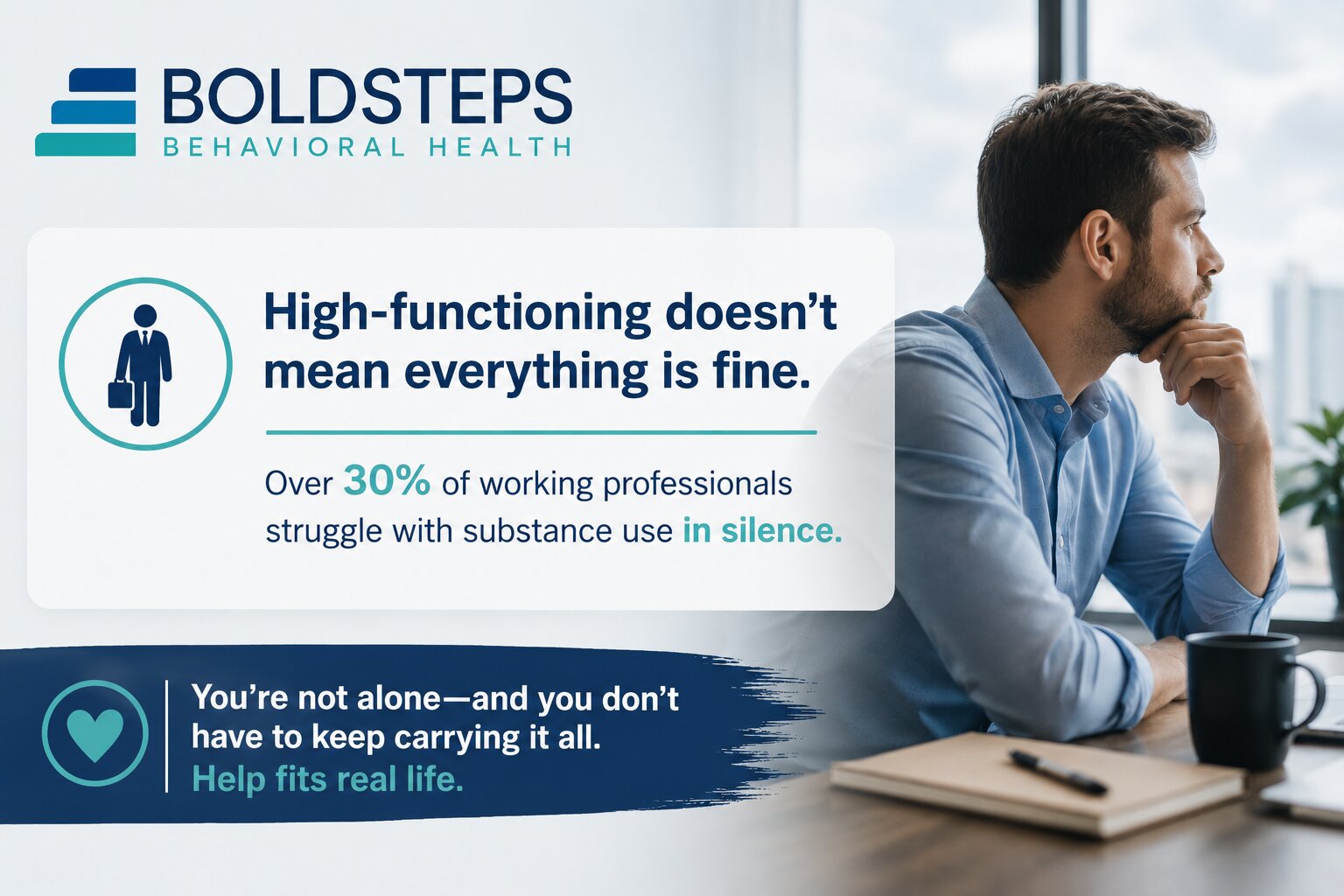
The Hidden Cost of Staying Stuck
One thing many high-functioning individuals underestimate is the cost of maintaining the status quo.
Not financial cost.
Emotional cost.
Mental cost.
Energy cost.
Every day spent hiding a struggle requires effort.
Every excuse requires effort.
Every promise to yourself that goes unfulfilled creates frustration.
Over time, those burdens accumulate.
The process resembles carrying a heavy backpack.
At first, the weight feels manageable.
Then normal.
Eventually, you forget you’re carrying it.
Until someone helps you set it down.
That’s often when people realize how exhausted they truly were.
This client described recovery in a simple but powerful way:
“I didn’t realize how tired I was until I stopped fighting myself every day.”
Success Started Looking Different
Before treatment, success meant productivity.
Completing projects.
Meeting goals.
Achieving professional milestones.
Those accomplishments still mattered.
But his definition expanded.
Success became waking up without dread.
Being present with family.
Following through on commitments to himself.
Trusting his own decisions.
Feeling comfortable in his own mind.
Those changes may sound ordinary.
For many people in recovery, they are extraordinary.
Because they represent something alcohol often steals gradually: freedom.
Why This Story Matters
If you’re reading this because you’re researching options while trying to keep your job, know this:
You’re not unusual.
You’re not weak.
And you’re certainly not alone.
Many individuals searching for outpatient rehab East Providence are not looking for permission to stop working.
They’re looking for permission to stop suffering in silence.
The reality is that many people seek support long before experiencing catastrophic consequences.
In fact, early action often creates better outcomes.
You do not need to wait for a crisis.
You do not need to prove how much pain you can tolerate.
You do not need to lose everything before deciding something needs to change.
The Question Worth Asking Yourself Tonight
At the end of our conversations, many clients arrive at the same realization.
The question isn’t:
“Can I keep functioning?”
They already know the answer is yes.
They’ve been doing it for years.
The better question is:
“How much longer do I want to live this way?”
That’s a harder question.
It’s also a more honest one.
Because functioning is not the same thing as thriving.
And surviving is not the same thing as living.
Many people exploring treatment options in Locations discover that support isn’t about stepping away from life.
It’s about returning to it.
With more energy.
More clarity.
More confidence.
And far less weight on their shoulders.
Frequently Asked Questions
Can I work full-time while receiving treatment?
Many people continue working while participating in treatment. Flexible scheduling often allows individuals to receive support while maintaining professional responsibilities.
Do I have to be physically dependent on alcohol to benefit from treatment?
No. Many individuals seek help because alcohol is affecting their mental health, relationships, decision-making, or quality of life—even if they are still functioning at work.
What if nobody knows I’m struggling?
That situation is extremely common. Many high-functioning individuals hide their difficulties well, which often delays seeking support.
Is treatment only for people who hit rock bottom?
No. Many people begin treatment long before experiencing severe consequences. Early intervention often prevents larger problems from developing.
How do I know if alcohol is becoming a problem?
If drinking occupies significant mental space, affects your mood, impacts relationships, interferes with goals, or creates repeated promises you struggle to keep, it may be worth exploring support options.
Will treatment affect my career?
Many professionals successfully participate in treatment while maintaining employment. Seeking help is often an investment in long-term personal and professional stability.
What if I’m scared to make the first call?
That fear is normal. Many people report that making the initial call was the hardest part. Once the conversation begins, they often realize they don’t have to figure everything out alone.
Can recovery improve anxiety and stress?
For many people, reducing substance use and addressing underlying concerns contributes to improved emotional well-being, better sleep, reduced stress, and greater overall stability.
Call (401) 287-8652 or visit our intensive outpatient program services to learn more about our intensive outpatient program services in Rhode Island.